Posted on 20th Jun 2026
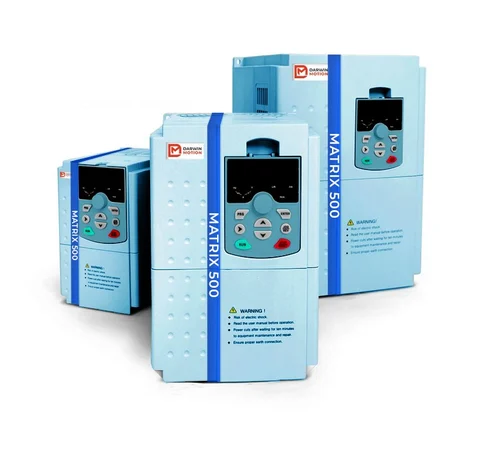
Modern depot buildings require highly efficient cooling systems to maintain optimal temperatures for equipment, operational areas, and personnel comfort. One of the most effective ways to improve chiller performance and reduce energy consumption is through the use of Inverters for Chillers at depot buildings. These advanced inverter systems regulate motor speed according to cooling demand, ensuring maximum efficiency and reduced operational costs.
Chillers are among the largest energy-consuming systems in depot facilities. Traditional fixed-speed motors operate continuously at full capacity, regardless of actual cooling requirements. By integrating inverter technology, facility managers can precisely control compressor and pump speeds, resulting in significant energy savings.
Darwin Motion AC Drive is a recognized manufacturer of high-performance Variable Frequency Drives (VFDs) designed for demanding industrial and commercial applications. Their inverter solutions are engineered to provide precise motor control, energy optimization, and reliable performance for chiller systems operating in depot buildings.
Energy efficiency is a primary concern for depot building operators. Chiller systems often experience fluctuating cooling loads throughout the day. An inverter adjusts motor speed to match the required load, reducing unnecessary power consumption. This can result in substantial energy savings compared to conventional fixed-speed operation.
According to the affinity laws for pumps and fans, a small reduction in motor speed can produce significant reductions in power consumption. By allowing chillers to operate only at the required capacity, VFDs help minimize energy waste and improve overall system efficiency.
Depot facilities often include maintenance workshops, storage areas, control rooms, and administrative offices that require consistent temperature management. Chiller inverters play a critical role in maintaining reliable cooling performance across these environments.
In mission-critical depot environments, cooling system reliability is essential. Darwin Motion AC Drives help ensure stable chiller operation while minimizing downtime and optimizing energy usage. Their advanced inverter technology provides smooth motor acceleration and deceleration, reducing wear and enhancing system reliability.
Implementing Inverters for Chillers at depot buildings is a smart investment for organizations seeking improved energy efficiency, lower operating costs, and enhanced cooling system performance. As a trusted AC Drive manufacturer, Darwin Motion delivers innovative inverter solutions that help depot facilities achieve optimal HVAC performance while maintaining long-term operational reliability.


