Posted on 20th May 2026
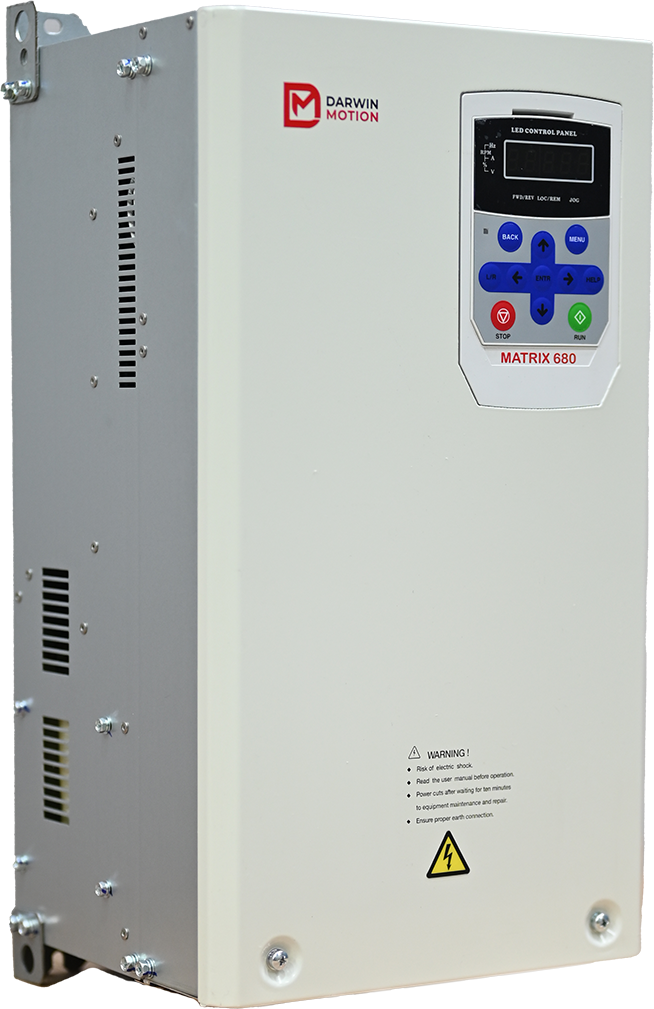
Modern HVAC and industrial cooling systems demand high energy efficiency, precise motor control, and reliable performance. Inverters for Condenser fans play a critical role in optimizing fan speed, reducing energy consumption, and extending equipment life.
As a trusted AC drive manufacturer, Darwin Motion provides high-performance Variable Frequency Drives (VFDs) designed specifically for condenser fan applications. Their innovative inverter technology ensures smooth operation, lower operational costs, and improved system efficiency for commercial and industrial environments.
Inverters for condenser fans are electronic devices that control the speed and torque of fan motors by adjusting the motor’s frequency and voltage. These systems help maintain optimal cooling performance while minimizing unnecessary energy usage.
Darwin Motion has established itself as a reliable AC drive manufacturer offering cutting-edge inverter solutions for HVAC systems, refrigeration units, and industrial cooling applications.
Darwin Motion inverters are engineered with advanced motor control algorithms, ensuring stable and efficient operation under varying load conditions. Their VFD systems deliver precise speed control for condenser fans, helping businesses achieve optimal cooling efficiency.
One of the major advantages of using Darwin Motion inverter systems is significant energy savings. Traditional condenser fans operate at constant speed, even when full cooling capacity is unnecessary. Variable frequency drives adjust motor speed based on real-time demand, reducing electricity consumption substantially.
Darwin Motion inverter solutions are suitable for a wide range of applications across multiple industries.
Integrating VFDs into condenser fan systems offers numerous operational and financial benefits.
Darwin Motion focuses on delivering smart automation solutions that integrate seamlessly into modern industrial environments. Their inverter systems are designed with user-friendly interfaces, robust safety features, and advanced monitoring capabilities for enhanced operational control.
Businesses seeking reliable and energy-efficient Inverters for Condenser fans can rely on Darwin Motion for durable and technologically advanced AC drive solutions.
Inverters for condenser fans are essential components for improving energy efficiency, optimizing cooling performance, and reducing maintenance costs in HVAC and industrial cooling systems. Darwin Motion AC Drive manufacturer continues to lead the market with innovative VFD technology tailored to modern industrial demands.
By choosing Darwin Motion inverter solutions, businesses can achieve better operational efficiency, lower energy bills, and long-term system reliability.


