Posted on 13th Jun 2026
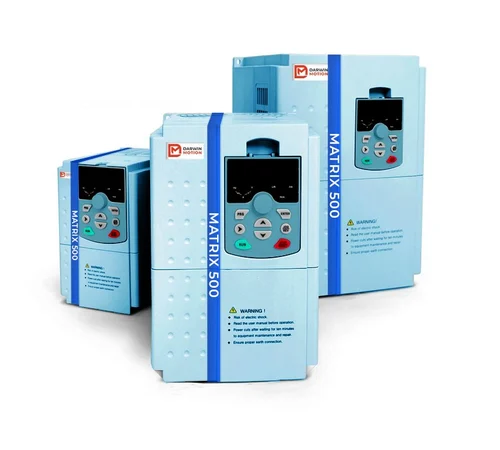
Exhaust fans play a crucial role in maintaining air quality, removing heat, controlling humidity, and ensuring proper ventilation in industrial facilities, commercial buildings, warehouses, manufacturing plants, and HVAC systems. Traditionally, exhaust fans operate at a fixed speed, consuming maximum power regardless of the actual ventilation requirement.
Modern industries are increasingly adopting Inverters for Exhaust fans to optimize airflow, reduce electricity costs, and improve operational efficiency. By controlling motor speed according to demand, inverter technology enables exhaust fans to operate more intelligently while significantly reducing energy consumption.
An inverter, also known as a Variable Frequency Drive (VFD) or AC Drive, controls the speed and torque of an electric motor by varying the frequency and voltage supplied to the motor.
Instead of running continuously at full speed, exhaust fans equipped with inverters can automatically adjust their speed based on ventilation requirements, temperature levels, pressure conditions, or air quality sensors.
This intelligent operation allows exhaust systems to provide the required airflow while consuming only the necessary amount of energy.
Fan power consumption is directly related to motor speed. Even a small reduction in speed can result in substantial energy savings.
Inverters allow precise airflow regulation according to actual environmental conditions, ensuring optimal ventilation throughout the facility.
Direct-on-line motor starting creates mechanical stress and electrical surges that can shorten motor life. Inverters provide smooth acceleration and deceleration, minimizing wear and tear.
Operating exhaust fans at lower speeds during reduced demand periods significantly decreases noise generation, creating a quieter working environment.
Inverter-controlled exhaust fans are widely used across numerous industries and commercial sectors.
When selecting an inverter solution for exhaust fan applications, reliability, efficiency, and ease of operation are essential factors. Darwin Motion has established itself as a trusted AC Drive manufacturer offering advanced inverter technology designed for industrial motor control applications.
Darwin Motion AC Drives help industries achieve optimal ventilation control while reducing operational costs and improving overall system performance.
Select an inverter based on the motor's voltage, current, and power rating.
Understand the airflow and pressure requirements of the exhaust system.
Consider temperature, humidity, dust levels, and installation environment.
Determine whether manual speed control, sensor-based automation, or remote monitoring is required.
With growing emphasis on sustainability and energy conservation, inverter-driven exhaust fans are becoming a standard component of modern ventilation systems. Integration with IoT devices, building management systems, and smart sensors further enhances operational efficiency and environmental performance.
Organizations investing in advanced AC Drive technology can significantly reduce energy consumption while improving ventilation quality and equipment reliability.
The adoption of inverter technology is transforming the way exhaust fans operate in industrial and commercial environments. By enabling precise speed control, reducing energy consumption, and extending equipment life, inverters deliver substantial operational benefits.
For businesses seeking a reliable and efficient solution, Darwin Motion AC Drives provide the performance, flexibility, and durability needed to optimize exhaust fan applications and achieve long-term energy savings.


