Posted on 22nd Apr 2026
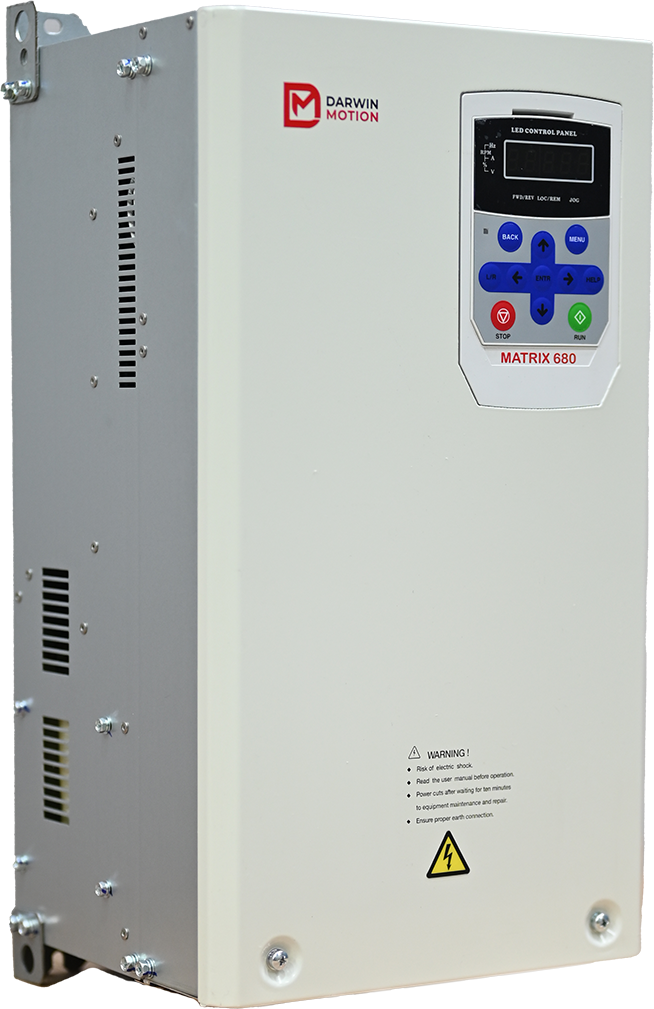
In modern industrial cooling systems, a Variable Frequency Drive for Process chillers plays a crucial role in improving system performance and reducing operational costs. Process chillers are widely used in manufacturing plants, food processing, chemical industries, pharmaceuticals, and plastic molding applications where precise temperature control is essential.
Darwin Motion AC Drive manufacturer offers advanced drive technology that helps process chillers operate more efficiently by controlling compressor and pump motor speeds according to cooling demand. This results in better energy savings, lower maintenance, and improved system reliability.
Traditional chillers often run motors at constant speed regardless of the cooling load. This leads to unnecessary energy consumption during partial load conditions. A VFD adjusts motor speed based on actual cooling requirements.
Darwin Motion AC Drive manufacturer provides reliable and high-performance VFD solutions specially designed for demanding industrial applications. Their drives offer:
By installing a Variable Frequency Drive, industries can reduce chiller energy usage by 20% to 50% depending on operating conditions. Since chillers often account for a major portion of industrial energy costs, this translates into substantial savings.
VFDs can be used in several parts of the process chiller system:
Adjusts compressor speed to match refrigeration load and avoid excessive cycling.
Regulates chilled water flow according to system demand for improved efficiency.
Controls fan speed to optimize condenser performance and reduce power usage.
Installing a Variable Frequency Drive for Process chillers is one of the most effective ways to improve cooling efficiency and reduce operating expenses. With innovative technology from Darwin Motion AC Drive manufacturer, industries can achieve precise cooling control, enhanced reliability, and long-term savings.
Choosing the right VFD solution ensures your process chiller system performs at its best while minimizing energy consumption and maintenance requirements.


